Wildlife in the Alps: Understanding the Delicate Balance
The Alps, a majestic mountain range stretching across several European countries, are home to a diverse array of wildlife. However, the region's unique ecosystem is facing numerous challenges, making it essential to understand the delicate balance of wildlife in the Alps.
The Demographic Transition Model: A Framework for Understanding Population Dynamics
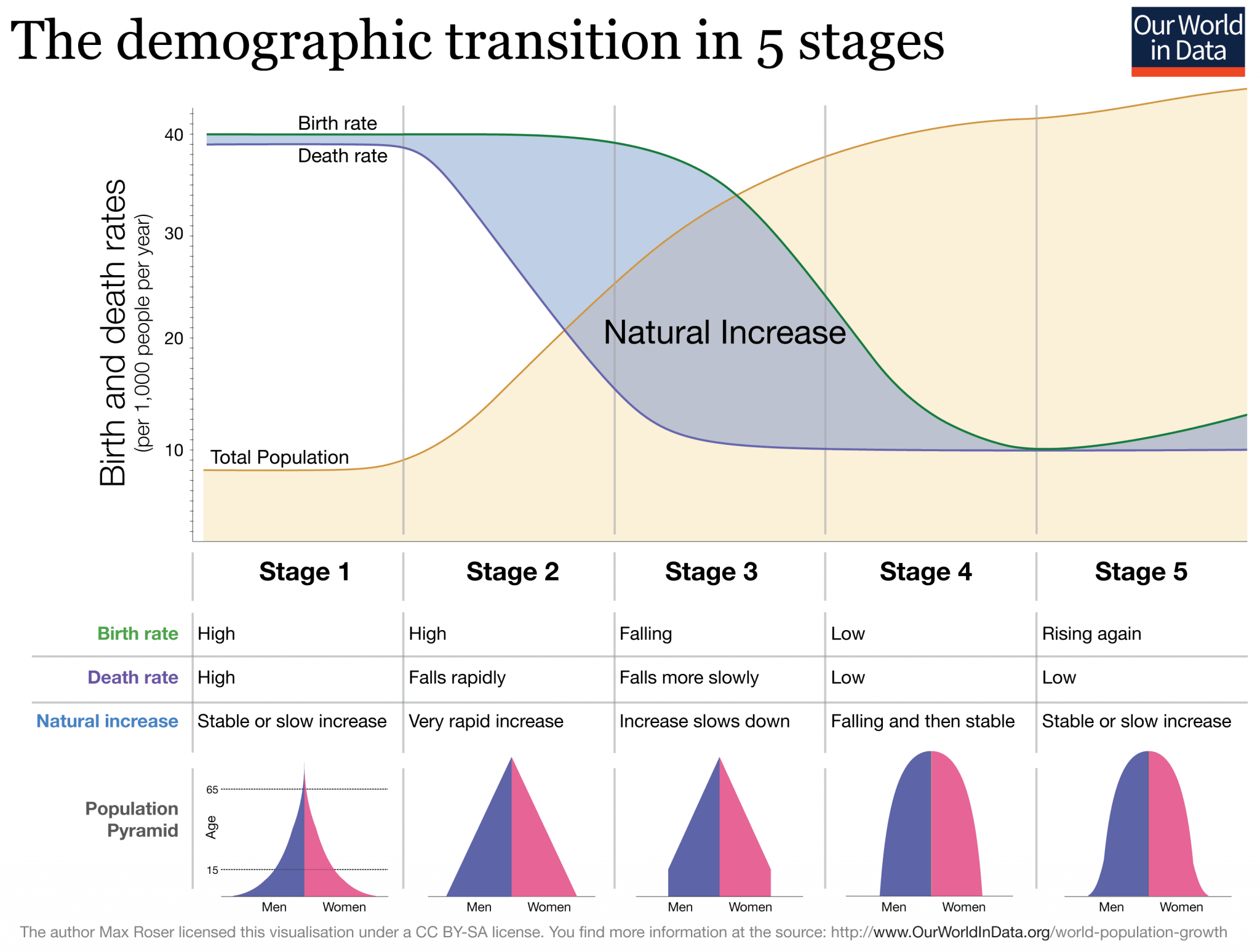
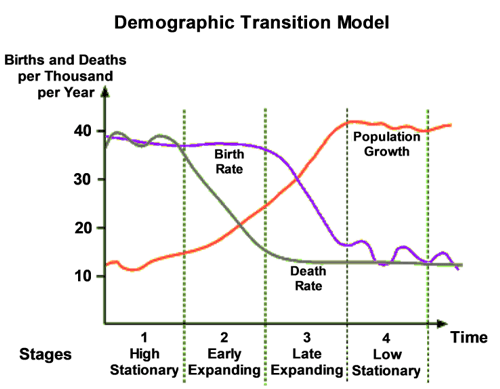
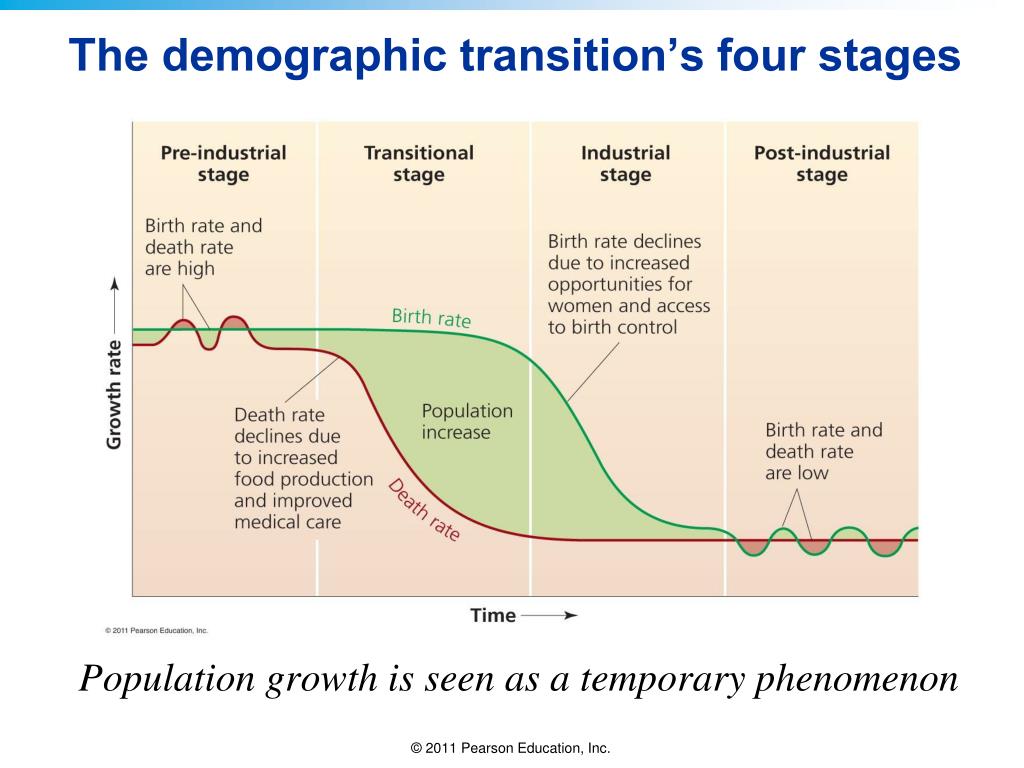
The demographic transition model, which describes how the population of a country changes over time, can be applied to understand the impact of human activity on wildlife in the Alps. 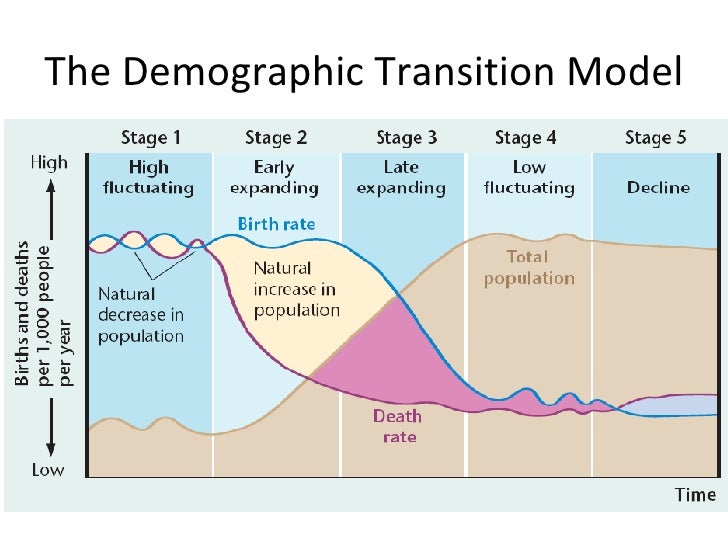
Human Impact on Alpine Wildlife
Human activity, such as tourism, agriculture, and infrastructure development, is significantly affecting wildlife in the Alps. The increased presence of humans in these areas can lead to habitat destruction, fragmentation, and disturbance, ultimately threatening the survival of many species. For example, the construction of ski resorts and roads can disrupt the natural habitats of alpine species, such as the ibex and the chamois.
Conservation Efforts: Balancing Human Needs with Wildlife Protection
To mitigate the impact of human activity on wildlife in the Alps, conservation efforts are underway. National parks and protected areas have been established to safeguard habitats and provide a safe haven for wildlife. 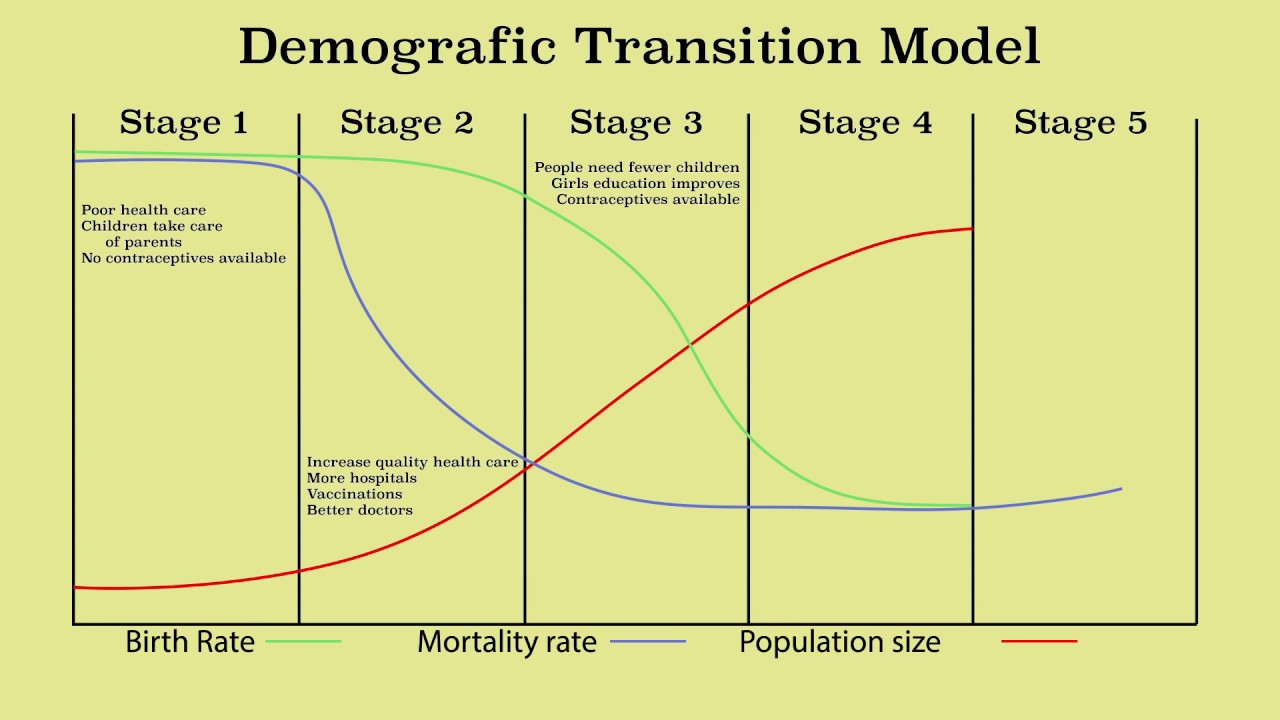
Challenges and Opportunities
Despite these efforts, challenges persist. Climate change, for instance, is altering the distribution and abundance of alpine species. However, this also presents an opportunity for scientists, policymakers, and local communities to collaborate on conservation initiatives and develop innovative solutions to protect wildlife in the Alps.
Conclusion
In conclusion, wildlife in the Alps faces numerous challenges due to human activity and climate change. By understanding the demographic transition model and its implications for population dynamics, we can better address these challenges. It is essential to balance human needs with wildlife protection, promoting sustainable practices and conservation efforts to ensure the long-term survival of alpine species.
The Demographic Transition Model - Intelligent Economist
demographic transition stages stage growth birth death rate rates geography demography dtm graph theory increase trans pyramids sociology healthcare diseases
Demographic Transition Model
transition demographic stages population divided
PPT - Lecture Outlines Chapter 8 Environment: The Science Behind The
demographic transition stages four science growth population as 4th lecture environment outlines chapter behind stories edition brennan ppt powerpoint presentation