Why Did Shisui Commit Suicide? A Complete Analysis of His Choice
Shisui Uchiha’s suicide stands as the single most decisive trigger for the Uchiha Clan Massacre, yet asking “why did Shisui commit” such an extreme act reveals far more than simple despair. While the answer is commonly simplified as saving Konoha, the actual decision was a high-stakes tactical calculation involving immediate strategic wins, devastating human trade-offs, and a harsh look at the limits of individual sacrifice. After Danzo stole his right eye, Shisui understood he could no longer execute a clean, bloodless resolution. His jump into the Naka River with the remaining eye was a final, desperate move to control a crisis that was already spinning out of his grasp.
Understanding the Board: The Benefit of Seeing Shisui’s Precarious Position
Shisui occupied a uniquely vulnerable space. He was beloved by the Uchiha for his prodigious talent and deeply trusted by the Third Hokage as a bridge to the increasingly isolated clan. His original plan—using Kotoamatsukami on Fugaku Uchiha to abort the coup without a single casualty—required both eyes operating in tandem. When Danzo ambushed him and ripped out his right eye, Shisui instantly lost the capability for that peaceful fix. Returning to the clan without the full plan would have hastened the rebellion, while allowing Danzo to hold half of the ultimate genjutsu meant the village could weaponize his power for its own shadowy goals. Recognizing this deadlock is the first step to realizing that his suicide was not an escape but a final edit on a scenario he could no longer fully control.
The Immediate Upside: How Shisui’s Death Stopped the Clock
Looking strictly at the strategic benefits, Shisui’s choice had clear pros. The most critical was securing the remaining Kotoamatsukami eye. By gifting it to Itachi and programming it with the order to "Protect Konoha," he placed a fail-safe deep within the village’s future that would eventually break the reanimation jutsu and save the entire Allied Shinobi Forces. Second, his death forced an immediate acceleration of the timeline. The Uchiha clan was outraged, which pushed the village Elders to sanction a controlled purge rather than a messy civil war that would have left Konoha vulnerable to outside enemies. The speed and precision his sacrifice enabled prevented a grinding conflict that could have killed thousands. From a purely utilitarian perspective, this was the cleanest exit available from an impossible strategic mess.
The Price of Peace: Understanding the Trade-Offs of Shisui’s Plan
For every tactical win Shisui engineered, there was a catastrophic personal cost. The most painful trade-off was the total isolation of Itachi. Shisui’s suicide effectively nominated Itachi as the sole executor of the entire tragedy. This isolation directly fueled Itachi’s guilt, his accelerated illness, and his eventual death at twenty-one. Beyond his friend, Shisui’s death removed the Uchiha clan’s last credible voice of moderation. The militant faction no longer had a counterweight, making them impossible to negotiate with and forcing the village to view the entire clan as a single hostile military unit rather than a complex political body. The trade-off was absolute: Shisui saved the framework of the village, but the cost was the complete extinction of his own bloodline and the psychological destruction of the person he trusted most.
The Final Verdict: Realistic Expectations from a Mythic Act
For the trend-aware fan analyzing this classic arc, the realistic takeaway from Shisui’s story is a cautionary one. He placed immense faith in the idea that Konoha was a fundamentally good system. The pros of his sacrifice only worked if the system around him was worth saving. Danzo’s existence proved the system was deeply compromised. A single sacrifice, no matter how powerful, could not repair the corrupt foundations of village leadership. The realistic expectation is that Shisui took a losing hand and forced a narrow, painful victory, but he did not create peace. He simply delayed the consequences. The recommendation the story offers is clear: isolating burdens and trusting unilateral heroic sacrifice rarely fixes the root of a conflict. True resolution only came later when Naruto and Sasuke chose transparency, shared struggle, and collective accountability over the quiet, fatal heroism that Shisui embodied.
Mueren Dos Jóvenes De 26 Y 19 Años En Un Choque Frontal En Hostalric
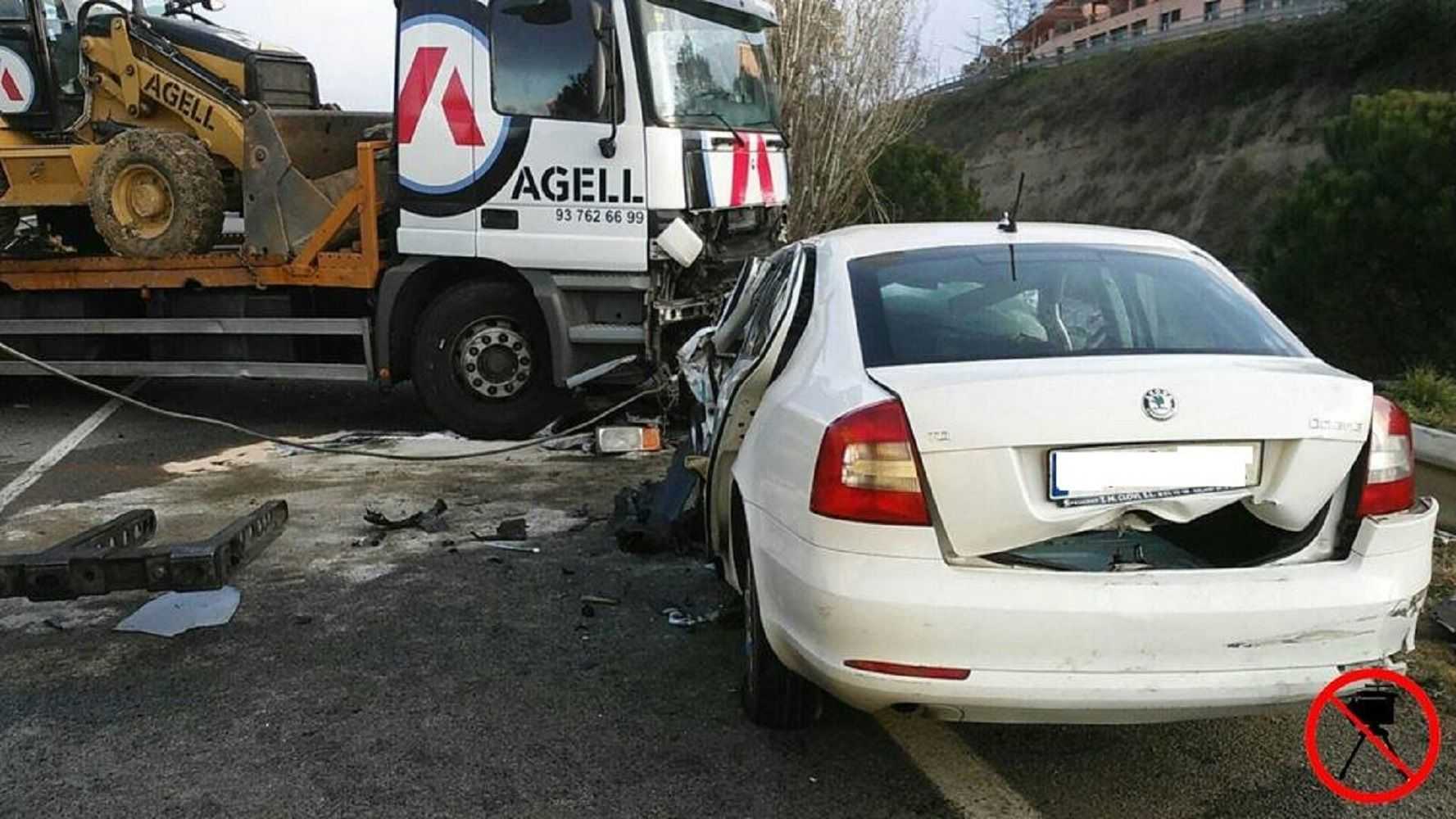
Mueren dos jóvenes de 26 y 19 años en un choque frontal en Hostalric